
Areas of Materiality / Targets
The JACCS Group, under its Basic Policy on Sustainability, identified five materialities in fiscal 2022 to pursue the group's sustainable growth and solve environmental and social challenges through business activities.
Subsequently, in conjunction with the formulation of the medium-term business plan starting in fiscal 2025, we reviewed the materialities to clarify the issues to be addressed, taking into account changes in the group's external environment and progress in sustainability initiatives.
Materialities from Fiscal 2025
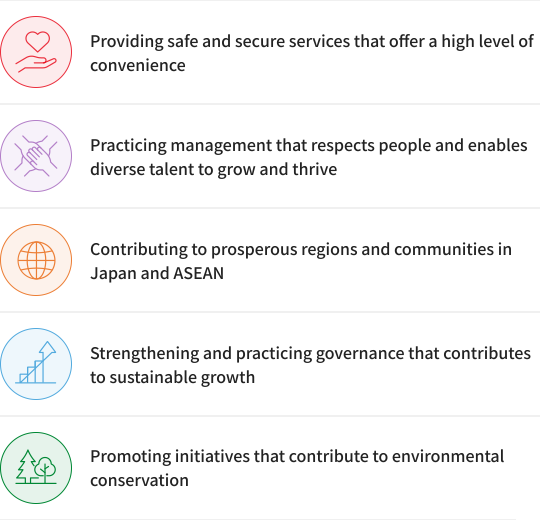
Materiality Review Process
Step 1: Internal KPI Progress Review
Conducted hearings twice a year in meetings on sustainability initiatives with headquarters general managers, compiling opinions on KPI progress, challenges, and future approach.
Step 2: External Environment and Internal Situation Analysis
Investigated the latest trends in sustainability-related external environment changes. Also organized the company's initiatives based on ISO26000 standards.
Step 3: Materiality Map
Extracted items of high importance for both stakeholders and the JACCS Group, referencing the progress of initiatives from Step 1 and issues organized in Step 2.
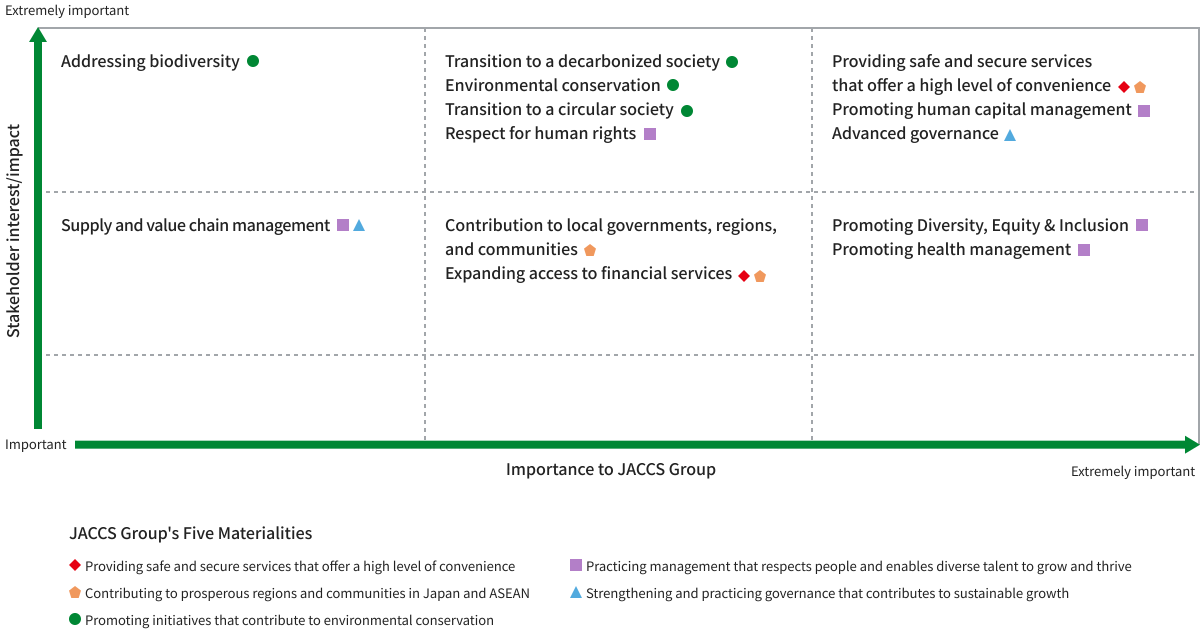
Step 4: Materiality Review
Extracted key items for both stakeholders and the JACCS Group through the materiality map, and listened to opinions from external directors, institutional investors, and employees. Deliberations were held in the Sustainability Committee to reflect the group's important values (trust, reliability, and people as capital) and critical business matters (solving social issues, mutual growth in ASEAN) and the materiality review was resolved by the Board of Directors.
Materialities and Targets through Fiscal 2025
We have established initiatives based on five materiality areas and set targets for each as follows. Please note that some materiality areas include impacts on the environment and society that are difficult to measure quantitatively.
| Area of materiality | Main initiatives | Indicators | Results for the fiscal year ended March 31, 2026 | Targets for the fiscal year ending March 31, 2027 |
|---|---|---|---|---|
|
Service that responds to the trust placed in JACCS by customers and member stores | Automatic response and recording rate | 33.0% | 35.0% |
| Automatic credit linkage rate | 71.7% | 79.0% | ||
| HDI-Japan Rating | Achieved the highest rating (three stars) | Continued highest rating (three stars) | ||
| Raising the sophistication of information security | PCI DSS Compliance Certification Renewal | Ver4.0 Compliance Certification Update | Ver4.0 Compliance Certification Update | |
| Ratio of detection of fraudulent credit card transactions | 71.3% | 70.0% | ||
|
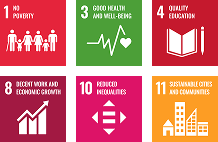
Promoting diversity and inclusion | Percentage of female employees at manager level or above | 19.0% | 23.0% |
| Re-employment rate of senior employees | 97.7% | 85.0% | ||
| Employment rate of people with disabilities | 2.66% | 2.70% | ||
| Human resource development | Number of employees certified as possessing advanced digital skills | 353persons | 450persons | |
| Promoting health and productivity management | Rate of second-stage examinations in regular health checkups | 98.3% | 100.0% | |
| Male childcare leave taker rate | 100.0% | 100.0% | ||
| respect for human rights | Continuing human rights due diligence | ー | ー | |
|
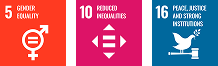
Providing financial services as infrastructure to support local communities and lifestyles | Volume of new contracts for home renovation loans | ¥192.4 billion | ¥144.8 billion |
| Volume of new contracts for educational loans | ¥23.5 billion | ¥27.9 billion | ||
| Volume of new contracts for dental loans | ¥14.7 billion | ¥13.7 billion | ||
| Volume of new contracts in the overseas business | ¥56.5 billion | ¥53.1 billion | ||
| Balance of loans for condominiums purchased for investment purposes | ¥3,284.3 billion | ¥3,542.3 billion | ||
| Undertaking social contribution activities | Donation amount | ¥47.4 million | ¥45.0 million | |
|
Strengthening risk manangement | Competent application of the management cycle | ー | ー |
| Improvement of AML/CFT system | ー | ー | ||
| Continuation of compliance | Ongoing execution of education and training programs | ー | ー | |
|
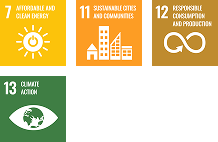
Efforts to reduce environmental burden | Volume of copier paper purchased (compared with the fiscal year ended March 31, 2022) | 32.9% decrease | 33.0% decrease |
| Ratio of web-based credit card statements | 54.5% | 55.5% | ||
| Ratio of eco-friendly vehicles within the Company’s vehicle fleet | 59.8% | 74.9% | ||
| Rate of reduction of energy consumption (compared to previous year) | Under calculation | 0.1% decrease | ||
| Rate of reduction of CO2 emissions (compared with the fiscal year ended March 31, 2020) | Under calculation | 30.0% decrease | ||
| Promoting decarbonization through financial services | Solar and battery loan transaction volume | ¥90.4 billion | ¥66.0 billion | |
| Sales volume of CEV subsidy eligible vehicles (Clean energy vehicle sales volume) | ¥68.2 billion | ¥60.3 billion | ||
| Utilizing sustainable finance (cumulative until FY2027) | ¥91.7 billion | ¥120.0 billion |
Materialities and Targets through Fiscal 2024
Based on five areas of materiality, the Company established initiatives and targets corresponding to each initiative. The Company set numerical targets as presented below, which it aims to achieve in the final year of the MOVE 70 three-year medium-term plan. Please note that the areas of materiality include some items for which it is difficult to quantitatively measure the degree of impact on the environment and society.
| Area of materiality | Main initiatives | Indicators | Targets for the fiscal year ending March 31, 2025 | Results for the fiscal year ended March 31, 2025 | SDGs |
|---|---|---|---|---|---|
|
Service that responds to the trust placed in JACCS by customers and member stores | Response rate | 90.0% | 89.0% |
|
| Ratio of automated receipt of credit screening applications | 82.0% | 72.1% | |||
| Raising the sophistication of information security | Acquisition of certification under the Payment Card Industry Data Security Standard (PCIDSS) | Version 4.0 compliance | Version 4.0 compliance | ||
| Ratio of detection of fraudulent credit card transactions | 70.0% | 73.3% | |||
| Providing financial services as infrastructure to support local communities and lifestyles | Volume of new contracts for home renovation loans | ¥141.6 billion | ¥150.2 billion | ||
| Volume of new contracts for educational loans | ¥19.2 billion | ¥22.2 billion | |||
| Volume of new contracts for medical loans | ¥27.6 billion | ¥28.0 billion | |||
| Volume of new contracts in the overseas business | ¥103.1 billion | ¥75.8 billion | |||
| Balance of loans for condominiums purchased for investment purposes | ¥3,000.0 billion | ¥3,019.0 billion | |||
| Promoting cashless payments | Volume of new contracts in the credit card and payments business | ¥2,962.7 billion | ¥2,972.9 billion | ||
|
Efforts to reduce environmental burden | Volume of copier paper purchased (compared with the fiscal year ended March 31, 2022) | 3.0% decrease | 24.9% decrease |
|
| Ratio of web-based credit card statements | 50.0% | 55.9% | |||
| Ratio of eco-friendly vehicles within the Company’s vehicle fleet | 54.0% | 51.3% | |||
| Rate of reduction of energy consumption (compared with the fiscal year ended March 31, 2020) | 13% decrease | 19.9% decrease | |||
| Addressing climate change | Rate of reduction of CO2 emissions (compared with the fiscal year ended March 31, 2020) | 18% decrease | 10.2% decrease | ||
|
Promoting decarbonization through financial services | Volume of new contracts for solar loans | ¥33.1 billion | ¥56.4 billion |
|
| Volume of new contracts for storage battery loans | ¥32.1 billion | ¥19.8 billion | |||
| Volume of new contracts for EV loans and leases | ¥40.0 billion | ¥48.8 billion | |||
| Fundraising through ESG finance | ¥30.0 billion | ¥42.5 billion | |||
|
Promoting diversity and inclusion | Ratio of female employees among employees who hold the position of section manager or higher, or employees who have subordinates and hold a position one rank lower than section manager | 35.0% | 41.5% |


|
| Number of employees certified as possessing advanced digital skills | 400 persons | 321 persons | |||
| Respecting human rights | Establishment of a system in accordance with the UN Guiding Principles on Business and Human Rights | ー | Establishment of the Human Rights Commission | ||
| Promoting health and productivity management | Employees’ average monthly overtime hours | 12.0 hours | 12.9 hours | ||
| Undertaking social contribution activities | Donation amount | ¥30.0 million | ¥44.78 million | ||
|
Strengthening risk manangement | Competent application of the management cycle | ー | Initiatives to enhance quantitative risk management and foster a risk culture |

|
| Improvement of AML/CFT system | ー | AML/CFT Program Development and Implementation | |||
| Continuation of compliance | Ongoing execution of education and training programs | ー | Continuing education on compliance risks |